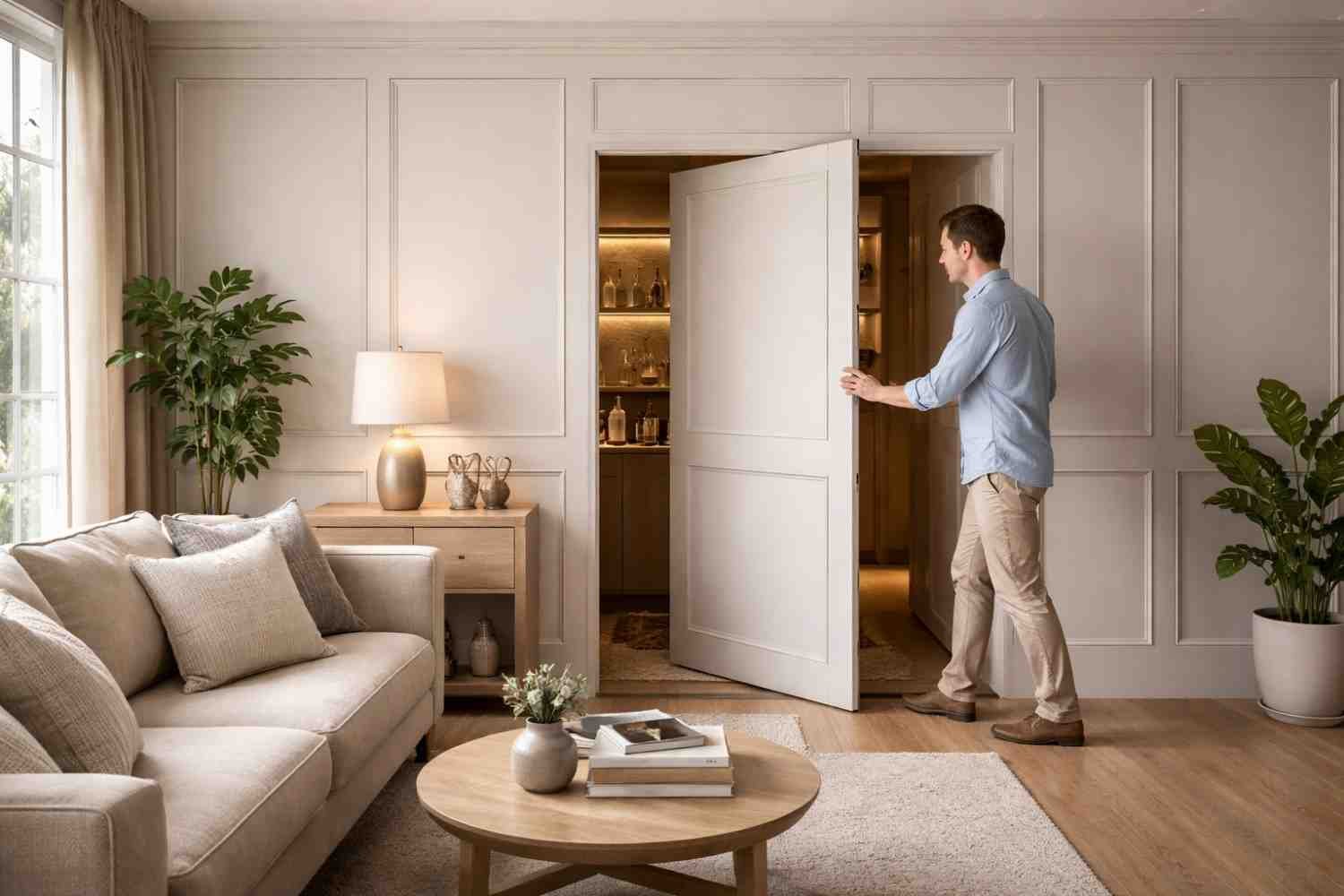
The concept of hidden or concealed doors has gained considerable traction in contemporary interior design. Integrating these architectural elements can effectively transform a living or working space by introducing an element of subtlety and sophistication. In this guide, the benefits, styles, and installation considerations of concealed doors will be thoroughly examined to highlight why they represent a compelling choice for modern interiors.
Understanding Concealed Doors
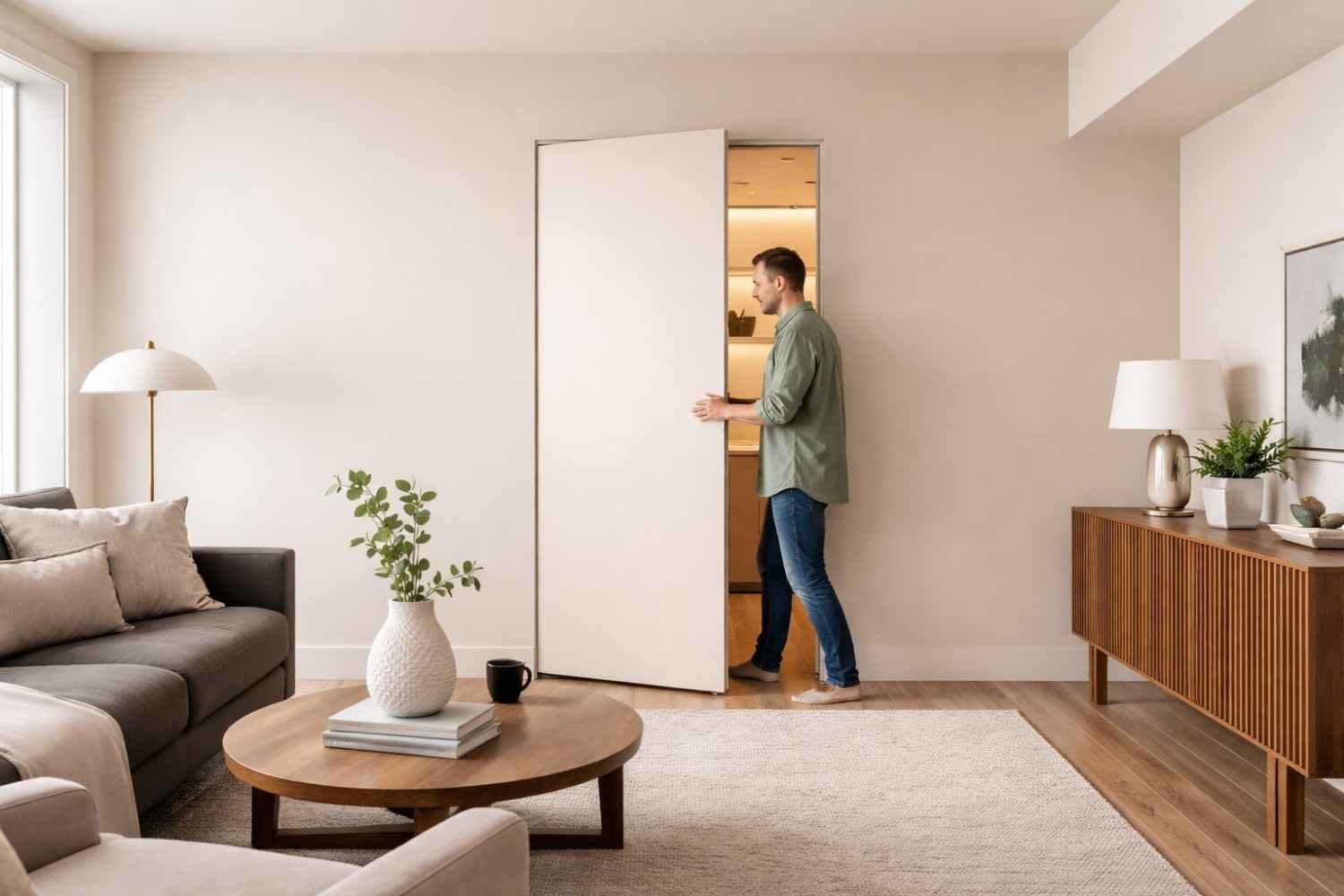
Concealed doors, often synonymous with hidden doors, are designed to blend seamlessly into the surrounding walls or cabinetry, making them almost invisible to the casual observer. This design approach emphasizes minimalism and discreet functionality, allowing the door to complement rather than dominate the décor of a room. One superior example of innovation in this sector can be found by exploring the concealed door options that marry practicality with sleek aesthetics.
Advantages of Installing Concealed Doors
The installation of concealed doors provides a range of benefits, both aesthetic and practical. Primarily, these doors enhance the visual continuity of interior spaces by eliminating visual interruptions such as door frames or handles. This unbroken design flow makes rooms appear more spacious and harmonious.
Furthermore, concealed doors offer a heightened security aspect by keeping entry points discrete. This feature is particularly advantageous for private rooms, home offices, or storage areas, where discretion is a priority. Additionally, these doors contribute to better sound insulation and can be engineered for increased fire resistance, depending on material choice and construction method.
Types of Concealed Doors
Diverse styles of concealed doors cater to various functional requirements and design preferences. The most common types include flush doors, bookcase doors, panel doors, and pivot doors. Each of these provides distinct advantages:
- Flush doors are fitted flush with the wall surface and lack visible frames, creating a sleek appearance.
- Bookcase doors
- Panel doors
- Pivot doors
Materials Used in Concealed Door Construction
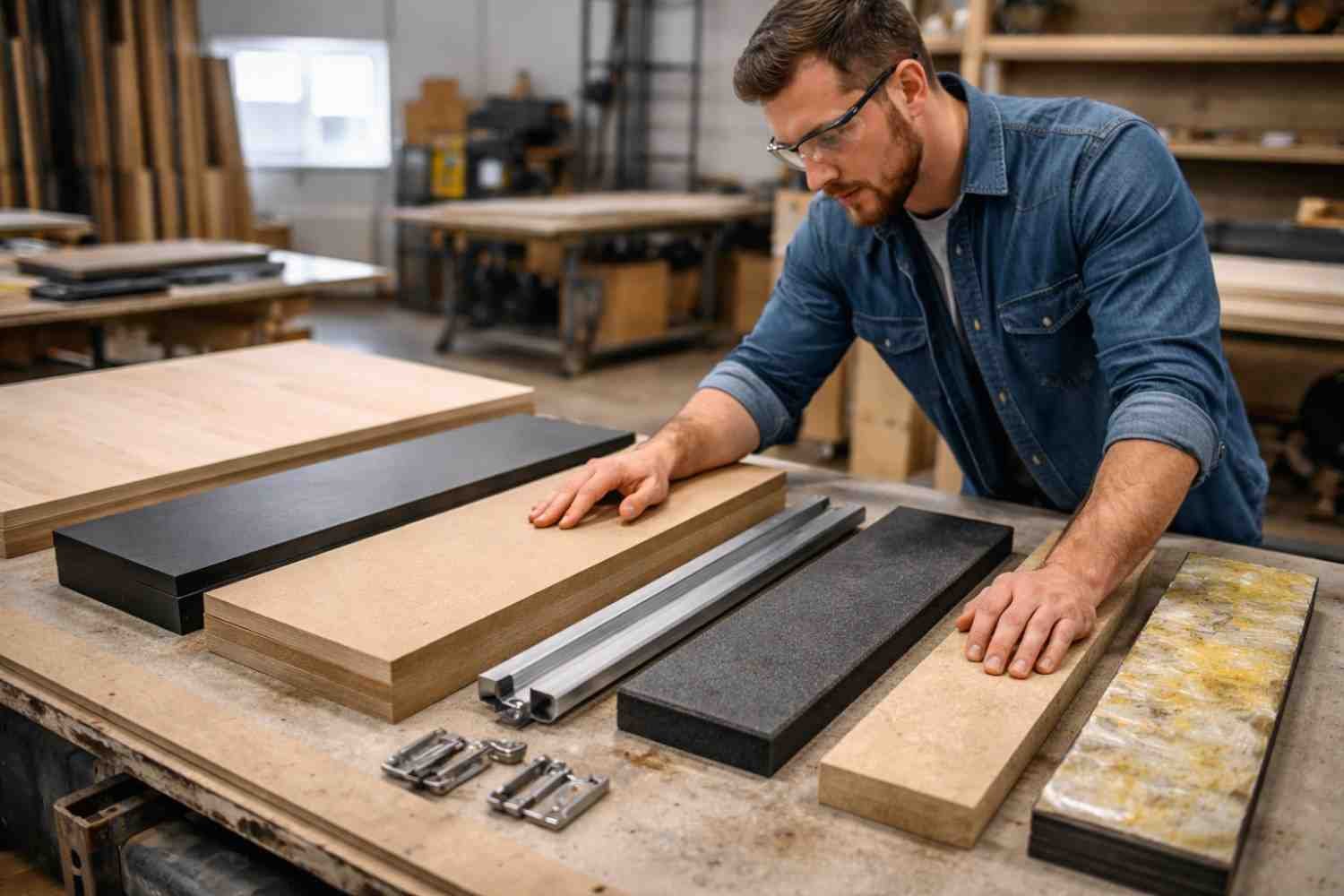
The choice of materials significantly influences the final look and functionality of concealed doors. Timber is a popular option for its versatility and warmth, while MDF or plywood panels can be easily painted to match walls. For more premium applications, materials such as veneered wood, glass, or metal may be employed to achieve unique textures and finishes. Quality hinges and hardware systems are crucial to ensure the doors function smoothly and maintain their hidden appearance.
Design Considerations for Integration
Successful incorporation of concealed doors requires careful planning during the design phase. The surrounding architectural details, lighting, and color schemes must be considered to ensure seamless blending. Additionally, depending on the door type, special hardware such as concealed hinges, magnetic locks, or touch-latch mechanisms may be necessary to preserve the covert nature of the installation.
Installation and Maintenance
Professional installation is recommended to guarantee the proper operation and alignment of concealed doors. Precise measurements, brand name, and meticulous craftsmanship are essential to maintain the door’s invisibility and prevent operational issues over time. Maintenance practices include regular cleaning with appropriate materials and periodic inspection of hinges and mechanisms to ensure long-term durability.
Applications in Residential Spaces
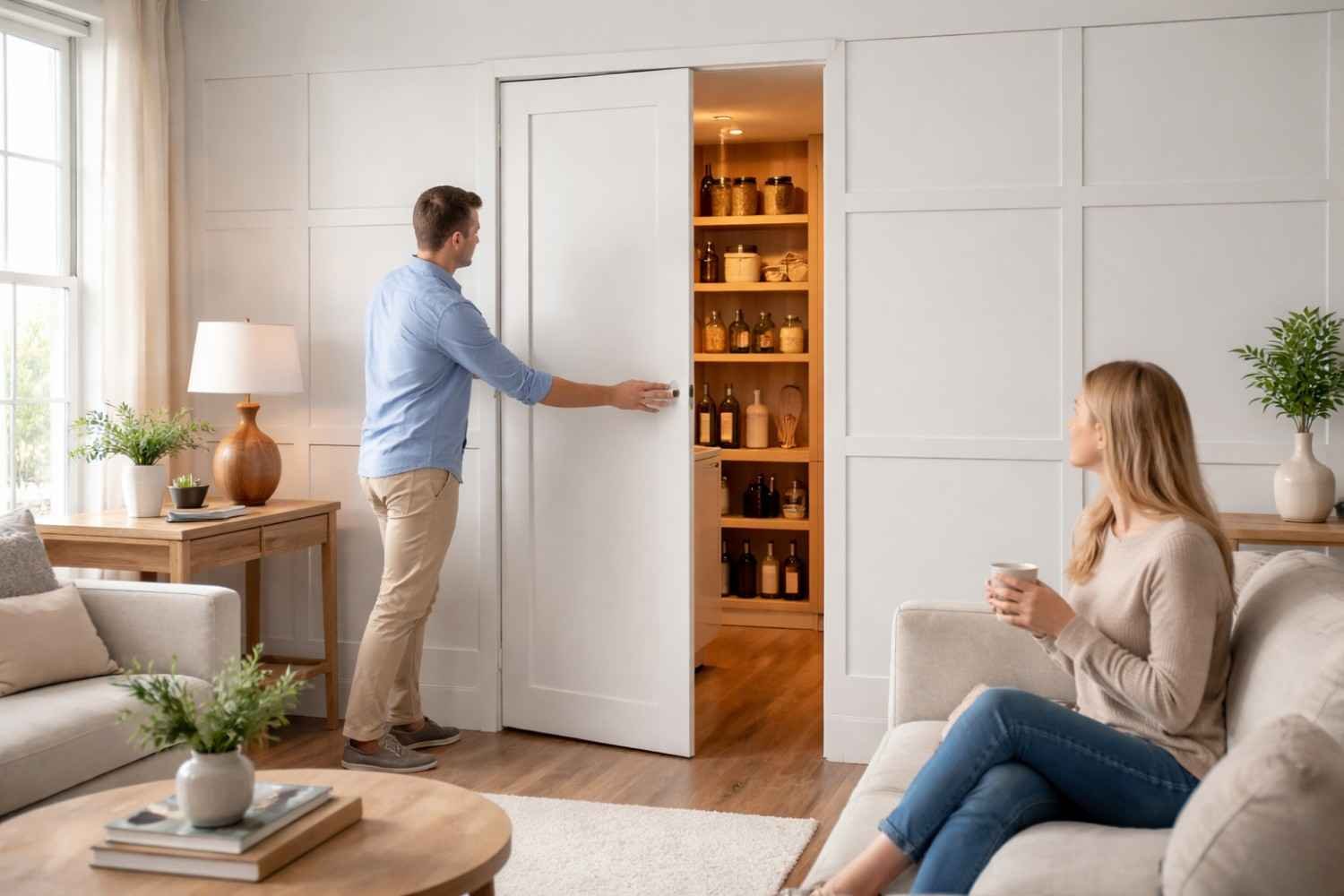
In residential settings, concealed doors provide elegant solutions for utilizing space effectively. They are ideal for creating secret passageways, hiding utility rooms, or incorporating private home offices. The minimalist aesthetic is particularly favored in modern and contemporary homes, contributing to a clutter-free environment and highlighting architectural features.
Applications in Commercial Environments
Commercial properties also benefit from concealed doors, where creating an impression of open and uncluttered spaces is often critical. Concealed doors can secure sensitive areas such as server rooms or executive offices without detracting from the office’s overall design language. Additionally, they enhance the customer experience by maintaining a professional and polished appearance.
Trends and Innovations
Recent advancements include the integration of automated opening systems, which add convenience and enhance the immersive experience of concealed doors. Smart home technologies allow for remote control access, further increasing privacy and security. Additionally, the use of sustainable materials aligns with growing environmental concerns, ensuring concealed doors cater not only to aesthetics but also to responsible building practices.
Conclusion
Concealed doors represent more than just a functional element within a space; they are an expression of refined design and sophisticated use of architectural principles. Incorporating these doors elevates the overall ambiance by combining practicality with understated elegance. For those considering upgrading their interiors, exploring concealed door options offers a unique opportunity to redefine space utilization and aesthetics in one seamless decision.