
I still remember sitting at my kitchen table with a notebook full of crossed-out ideas, cold coffee, and way too many tabs open. I thought naming my business would feel creative and fun. Instead, it felt like pressure.
That’s when I realized something important about How to choose a brand name: it isn’t about being clever. It’s about being clear, strategic, and intentional. A name doesn’t just sound good. It carries your mission, your vibe, and your promise.
Over time, I built a simple routine I now use every time I name a project. It keeps me grounded, focused, and realistic. If you’re starting something new or rebranding, this approach will save you weeks of second-guessing.
Why does your brand name matter more than you think?
Your brand name shapes first impressions before your website even loads. It sets the tone. It hints at your personality. It tells people whether you feel modern, trustworthy, bold, playful, premium, or practical.
When I rushed naming in the past, I picked something trendy. It sounded cool, but it didn’t match my long-term vision. I boxed myself into a niche I outgrew within a year. Renaming later cost me time, SEO equity, and credibility.
A strong name works like a shortcut in someone’s brain. It makes you easier to remember. It makes referrals smoother. It makes your marketing cleaner. That kind of clarity compounds over time.
What should you define before brainstorming names?
Whenever someone asks me about How to choose a brand name, I tell them I don’t start with words. I start with meaning.
First, I define my “Brand Heart.” I write down my core values. I clarify my mission. I describe the future I want to build. If I can’t explain why I exist, I won’t land on a name that fits.
Then I think about my audience. I picture one specific person. What language resonates with them? Would they respond better to something bold and edgy, or something established and classic?
Once I get clear on identity, ideas start flowing naturally. Without that clarity, brainstorming feels random.
Which type of brand name fits your vision?

I’ve experimented with every naming category over the years, and each serves a purpose.
Descriptive names tell people exactly what you do. They work well for local services and straightforward businesses. They build clarity fast but can feel limiting if you plan to expand.
Evocative or metaphorical names suggest emotion or imagery. These feel powerful and memorable when done right. They require stronger branding to connect the dots, but they create deeper identity.
Fabricated names offer a blank slate. I love them when I want total flexibility and trademark potential. The downside? You must invest more in brand storytelling.
Founder names feel personal and trustworthy. They work beautifully when your personality anchors the business.
When I evaluate options, I ask one question: does this category support my long-term vision?
How do you brainstorm names that don’t sound generic?
My routine looks simple, but it works.
I start with semantic mapping. I list benefits, emotions, adjectives, and verbs connected to my brand. I stretch beyond surface-level words. Instead of “fast,” I write “momentum,” “spark,” “ignite.”
Then I play with sound. Short words feel punchy. Longer names feel premium. Front vowel sounds often feel lighter and brighter. Back vowel sounds feel heavier and grounded. That subtle shift changes perception more than people realize.
I also combine words. Portmanteaus create unique names with built-in meaning. I aim for at least 30 ideas before judging anything. Quantity unlocks quality.
How do I know if a name will actually work in the real world?
This step separates hobby brands from serious businesses.
I check trademark databases. I search domain availability. I look up social media handles. If I can’t secure a clean digital presence, I move on.
Then I say the name out loud. I call a friend and pretend to introduce the company. If I need to spell it three times, that’s a red flag.
I also mock it up for visual branding. I drop it into a simple logo template. I imagine it on packaging, business cards, and social banners. Some names look awkward once you see them in context.
How-To: How to choose a brand name step by step
Here’s the exact process I follow now.
First, I clarify my Brand Heart. I write my mission, values, and future goals on one page. I keep it short and honest.
Second, I identify three to five words that describe how I want people to feel when they see my brand.
Third, I brainstorm at least 30 names across categories. I don’t edit yet. I just generate.
Fourth, I narrow the list to 5–10 options and check trademarks, domains, and handles immediately. I eliminate anything risky.
Fifth, I test the finalists. I share them with people who match my target audience. I ask which feels most memorable and why.
Sixth, I sleep on it. Clarity often arrives in the quiet moments.
Should you test your brand name before launching?
Yes. Always.
When I started testing names instead of trusting my gut, I made better decisions. I once ran a simple social media poll between two finalists. The one I preferred personally lost by a wide margin.
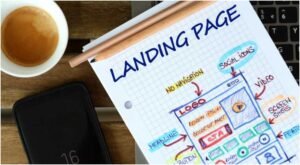
If you want deeper data, create simple landing pages with identical content and swap only the name. Run small ads. Watch engagement. Let behavior guide you.
Testing removes ego. It replaces opinion with insight.
Quick comparison: What makes a strong brand name?
| Criteria | Why It Matters |
| Meaningful | Connects to mission and emotion |
| Distinctive | Stands out from competitors |
| Accessible | Easy to say, spell, and search |
| Protectable | Trademark and domain available |
| Future-proof | Allows growth and expansion |
| Visual | Looks strong in logos and branding |
I review every finalist against this table before deciding.
Frequently Asked Questions
1. How long should a brand name be?
I aim for short and strong. One to three words works best in most cases. Short names feel modern and clean. However, clarity matters more than length. If a slightly longer name communicates your purpose clearly and feels memorable, use it confidently. Avoid stuffing keywords just for SEO.
2. Should my brand name include keywords?
It depends on your strategy. Descriptive names help with clarity and search visibility, especially for local businesses. But overly literal names can limit growth. I balance relevance with flexibility. If I want room to expand, I choose something broader and build SEO through content instead.
3. What if the domain I want isn’t available?
I don’t force it. I either adjust creatively or refine the name. Adding “co” or “studio” sometimes works, but I avoid awkward spellings that confuse customers. Clean branding beats clever hacks. Long-term credibility matters more than squeezing into a taken URL.
4. Can I change my brand name later?
Yes, but rebranding costs time and money. It impacts SEO, recognition, and customer trust. I treat naming seriously upfront so I don’t regret it later. If you must rebrand, plan strategically and communicate clearly.
Your brand name is your first handshake — make it count
Naming a business used to intimidate me. Now, I treat it like a grounded ritual. I sit down with intention. I write. I test. I listen.
When you approach How to choose a brand name with clarity instead of chaos, the process feels empowering. You stop chasing clever. You start building meaningful.
Choose something that aligns with who you are and where you’re going. Then commit fully. Confidence amplifies any name.
And here’s my personal tip: if you feel proud saying it out loud, you’re probably onto something good.
Key Takeaways
- Choosing a brand name requires clarity before creativity.
- Define your mission and audience first.
- Brainstorm broadly before narrowing down.
- Check legal and digital availability early.
- Test with real people, not just your inner circle.
- Pick a name that supports long-term growth.
The right name won’t just sound good. It will feel right — every time you say it.