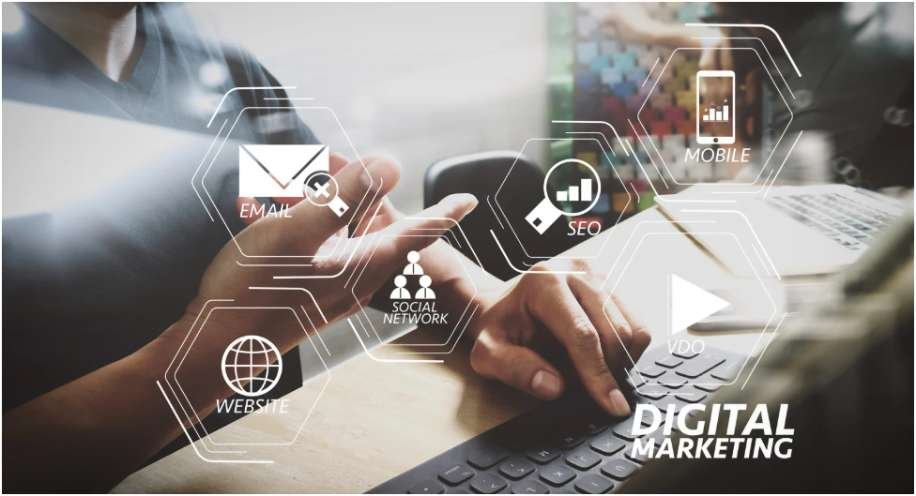
So, here we are in 2026, and let me tell you, the world of digital marketing has completely transformed. Gone are the days of traditional lead-generation methods and static content.
Today’s digital marketing strategies are powered by cutting-edge AI, hyper-personalized experiences, and even live-stream shopping. Yep, we’re talking real-time, AI-driven engagement that allows brands to connect with consumers on a whole new level.
Over the past few months, I’ve dived headfirst into understanding what’s actually working for brands today. I’ve seen how businesses are using these tactics to skyrocket their sales and build stronger, more meaningful relationships with customers.
So, let’s break down the best digital marketing tactics in 2026—the stuff you need to be using to stay ahead in this fast-paced, tech-driven world.
Why Are Digital Marketing Tactics Changing So Much?

In the past, marketing was all about pushing your message out to as many people as possible. But now, we’re in a world where people expect relevant, immediate experiences that are tailored to their needs.
You know how we all hate waiting for things online? Well, in 2026, consumers expect instant gratification, and marketers are finding ways to meet that demand.
With customer acquisition costs (CAC) rising, businesses are shifting their focus from awareness-building campaigns to engagement-driven tactics that keep customers coming back for more.
This means retention is now as important, if not more, than the initial sale. But how do you keep customers engaged and happy? Let’s explore some of the effective online advertising techniques and best digital marketing tactics in 2026.
What Is Shoppable “Social-to-Checkout” Content?
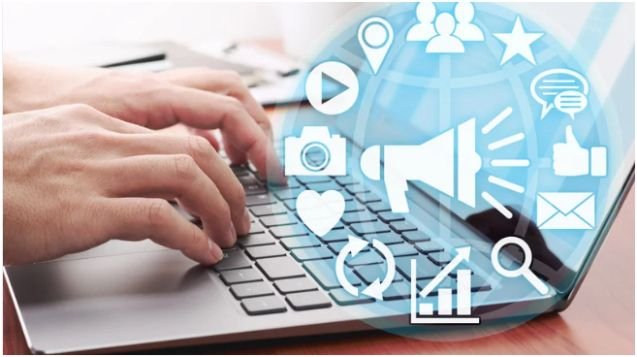
You’ve probably noticed by now that social media platforms are no longer just for scrolling through memes and photos. TikTok Shop and Instagram have revolutionized how we shop online by allowing customers to make purchases directly through the app—without even having to click through to a website.
I’ve seen this in action with a few of my favorite brands, and I can say this strategy is game-changing. Social-to-checkout content eliminates the dreaded “middle click” and makes purchasing a smooth, frictionless experience.
Live-stream shopping and shoppable video ads are now the norm, allowing customers to shop as they consume content. Brands can now engage customers in real-time and convert them on the spot.
For example, I recently saw a brand launch a live-stream shopping event on TikTok where I could ask questions, see the product in action, and purchase everything—all within the app. This is engagement and conversion in real-time at its finest.
How Can AI and Personalization Elevate Your Marketing?
Have you ever gotten an email from a brand that felt like they knew exactly what you wanted? Maybe it suggested the perfect pair of shoes or a gadget that was exactly what you had been browsing for. That’s hyper-personalization, and it’s one of the most important tactics to improve digital marketing.
I can’t stress enough how much personalization has evolved. Today, brands are leveraging AI to analyze customer data in real-time and deliver personalized experiences—whether it’s tailored website content, product recommendations, or even personalized discounts.
With Conversational AI, we’re seeing bots that act like personal assistants, guiding customers through the buying process and answering questions as they shop.
Just last week, I used an AI-powered stylist while shopping online. This bot asked me for my preferences, showed me a few options, and helped me visualize how a product would look on me using Augmented Reality (AR). It was like having a personal shopper right in my living room! Talk about elevating the shopping experience.
What Is Generative Visual Discovery and Why Should You Care?
Forget static images—Generative Visual Discovery is changing the game. With AI-driven visual search tools like Google Lens and Pinterest Visual Search, shoppers can now upload a photo of something they like and instantly find a similar product online. This makes product discovery so much faster and easier.
Think about it: you’re walking down the street, see a cute jacket someone’s wearing, snap a pic, and boom—you’re directed to a brand that sells it. Visual search isn’t just a convenience, it’s a way to boost conversions by giving customers the exact product they’re looking for—instantly.
For brands, this means optimizing images for search engines that can read visuals as well as text. If you haven’t started integrating visual search optimization into your strategy, now’s the time.
How Do Zero-Party Data Loyalty Loops Work?
If you haven’t heard of zero-party data, you’re going to want to pay attention. As third-party cookies become a thing of the past, brands are getting creative with how they gather customer data. Instead of relying on external trackers, they’re using zero-party data—information that customers willingly share with the brand, like preferences or feedback.
One of my favorite examples of this is when brands use interactive quizzes to gather zero-party data. These quizzes ask you fun questions about your preferences, which then trigger personalized recommendations or predictive replenishment emails.
Imagine getting an email telling you, “Hey, your favorite shampoo is almost out—time to restock!” This level of personalization keeps customers coming back.
The Future of Digital Marketing: Sustainability and Transparency
Sustainability is no longer just a buzzword—it’s a key component of modern digital marketing. In 2025, brands are incorporating eco-transparency and circularity directly into their strategies. Think Resale-as-a-Service (RaaS), where customers can sell back their gently used products, and real-time carbon footprint tracking at checkout.
Brands like Lululemon have embraced sustainability by offering resale programs that align with Gen Z and Alpha’s values. Not only does this boost brand loyalty, but it also drives long-term customer retention.
How to Implement These Digital Marketing Tactics in Your Strategy
So, how can you start integrating these tactics into your own digital marketing strategy? Here’s a simple step-by-step guide:
Step 1: Optimize for AI-Driven Tools
- Use AI to personalize experiences across your website and social platforms.
- Implement tools like Conversational AI and AR to enhance the shopping experience.
Step 2: Leverage Social-to-Checkout Content
- Start experimenting with live-stream shopping events and shoppable video ads.
- Make sure your e-commerce platform integrates with TikTok Shop and Instagram Shopping.
Step 3: Incorporate Generative Visual Discovery
- Ensure your product images are optimized for visual search tools like Google Lens and Pinterest.
Step 4: Engage Customers with Zero-Party Data
- Use interactive quizzes and preference centers to gather data directly from customers.
- Set up predictive replenishment email sequences based on user behavior.
Step 5: Focus on Sustainability
- Introduce sustainability-focused tactics like RaaS and carbon footprint tracking to appeal to eco-conscious consumers.
FAQ: Digital Marketing in 2026
1. How can I get started with AI-powered marketing?
Starting with AI is easier than it seems. Look for tools like AI-powered chatbots or personalization engines that can analyze your customer data and create tailored experiences. Incorporating AR and visual search will take things to the next level.
2. What is “Social-to-Checkout” content?
“Social-to-Checkout” content is when a transaction happens directly within a social platform like TikTok Shop or Instagram. This removes the need for customers to click away from the app, making the shopping process quicker and more seamless.
3. Why is visual search important for my business?
Visual search allows customers to search for products using images instead of text. Optimizing your product images for Google Lens and Pinterest Visual Search makes it easier for people to find your products and boosts conversion rates.
Wrap Up: The Future Is Here, and It’s Digital
As we head into 2025, digital marketing is not just about reaching people—it’s about engaging and delighting them. Whether you’re embracing AI-driven experiences, tapping into the power of shoppable social content, or creating sustainable brand experiences, the key is to be proactive and stay ahead of the curve.
One thing I’ve learned? The future of marketing isn’t just about selling—it’s about creating memorable, personalized journeys that customers want to be a part of. So, let’s get ahead of the game and start implementing these best tactics today.